
"volcanic non-volcanic"
300 article(s) found
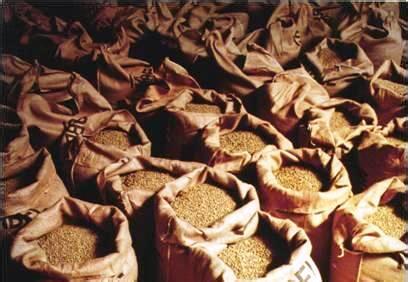
Altitude: coffee plantation in Guatemala Dome Manor, 1500-1600
Altitude: 1500-1600 Guatemala Dome Manor Coffee Plantation volcanic soil, high altitude, humid and rainy climate, active volcanic activity created the unique geographical conditions of the Farahan Plateau. The Pacaya volcano in the region is the most active of the three volcanoes still erupting in Guatemala, leaving the Farahan Plateau often shrouded in a thin layer of dust.

Introduction of Brazilian coffee beans description of taste and flavor of different treatments of Brazilian coffee beans
Professional coffee knowledge exchange more coffee bean information please follow the coffee workshop (Wechat official account cafe_style) as Brazil is located in the tropical rain forest region, the terrain is relatively flat with few high-altitude mountain forests, most coffee is grown in low-altitude non-volcanic soil areas, and there is not much shade for shade, resulting in the rapid growth rate of Brazilian beans, large beans but dense coffee.

What is Brazilian Santos coffee? What are the characteristics of Brazilian coffee? How do you drink Brazilian coffee?
Professional coffee knowledge exchange more coffee bean information please follow the coffee workshop (Wechat official account cafe_style) Brazil is the world's largest coffee producer accounts for about 33% of coffee production, but because Brazil is located in the tropical rain forest, the terrain is relatively flat with few high-altitude mountain forests, most coffee is grown in low-altitude non-volcanic soil areas, and there is not much shade.

Guatemalan coffee
Guatemala is bordered by Mexico to the north, Honduras and El Salvador to the south, the Caribbean to the east and the Pacific Ocean to the west, with tropical rain forests, volcanic geology, plateau valleys and changeable microclimate.
Brazil Menas Daterra Estate Introduction Sunrise Coffee Bean Description
Brazil is the world's largest coffee producer, accounting for about 30% of coffee production. However, due to Brazil's location in tropical rain forest areas, relatively flat terrain and few high-altitude forests, most coffee is planted in low-altitude non-volcanic soil areas, and there is not much shade as shade, resulting in the rapid growth of Brazilian beans, but the coffee density is soft and the flavor does not change much.

Guatemala coffee with tropical rain forests, volcanic geology, plateau valleys and ever-changing microclimate
Guatemala is bordered by Mexico to the north, Honduras and El Salvador to the south, the Caribbean to the east and the Pacific Ocean to the west, surrounded by mountains and seas, with tropical rain forests, volcanic geology, plateau valleys and ever-changing microclimate. Agriculture is the main source of economy, and the main agricultural product is coffee. Guatemalan coffee once enjoyed a reputation as the best quality coffee in the world.
Introduction of hand-made coffee from the Rainforest Alliance of Manor Datra, Brazil
Professional coffee knowledge exchange more coffee bean information please follow the coffee workshop (Wechat official account cafe_style) Brazil is the world's largest coffee producer accounts for about 30% of coffee production, but because Brazil is located in the tropical rain forest, the terrain is relatively flat with few high-altitude mountain forests, most coffee is grown in low-altitude non-volcanic soil areas, and there is not much shade as a shade.

The characteristics of Antigua coffee in Guatemala, the flavor and characteristics of Guatemala.
Guatemala is a big coffee producer in Central America, ranking eighth in the world in terms of output. Guatemala, whose name comes from the Mayan language, means thelandofmanytrees, the country of the forest. Located in Central America, it is known as the pearl in the crown of China and the United States. Although Guatemala has a limited land area, it has a rich and diverse climate. Countries famous for lakes and volcanoes, volcanic soil, precipitation,

Taste and Flavor characteristics of Coffee Bean varieties in Guatemala describe Historical Development Story Cooking parameters
Professional coffee knowledge exchange more information about coffee beans please follow the coffee workshop (Wechat official account cafe_style) Guatemala has been growing coffee since around 1850. Before World War I, the Germans controlled as much as 80% of the country's production, most of which was exported to Germany. In the 1990s, ANACAFE, the official coffee farmers' association, integrated the whole product according to its region and flavor.
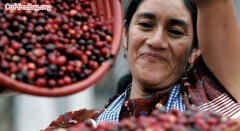
A variety of coffee from Guatemala.
Guatemala is bordered by Mexico to the north, Honduras and El Salvador to the south, the Caribbean to the east and the Pacific Ocean to the west, with tropical rain forests, volcanic geology, plateau valleys and changeable microclimate. The average elevation of dangerous countries is high, with coffee belts distributed over 1500 meters and between 14 and 16 degrees north latitude, it is easiest to grow extremely hard beans, all of which are washed, 45% of which are washed.

Introduction to boutique coffee-Guatemala
Guatemala is bordered by Mexico to the north, Honduras and El Salvador to the south, the Caribbean to the east and the Pacific Ocean to the west, with tropical rain forests, volcanic geology, plateau valleys and changeable microclimate. The average elevation of dangerous countries is high, with coffee belts distributed over 1500 meters and between 14 and 16 degrees north latitude, it is easiest to grow extremely hard beans, all of which are washed, 45% of which are washed.

Guatemala coffee bean producing area
Guatemala is bordered by Mexico to the north, Honduras and El Salvador to the south, the Caribbean to the east and the Pacific Ocean to the west, surrounded by mountains and seas, with tropical rain forests, volcanic geology, plateau valleys and ever-changing microclimate. Agriculture is the main source of economy, and the main agricultural product is coffee. Guatemalan coffee once enjoyed a reputation as the best quality coffee in the world.
Introduction of Guatemalan Fine Coffee characteristics of Guatemalan Coffee
Guatemala is bordered by Mexico to the north, Honduras and El Salvador to the south, the Caribbean to the east and the Pacific Ocean to the west, with tropical rain forests, volcanic geology, plateau valleys and changeable microclimate. The average elevation of dangerous countries is high, with coffee belts distributed over 1500 meters and between 14 and 16 degrees north latitude, it is easiest to grow extremely hard beans, all of which are washed, 45% of which are washed.
Introduction of high-quality coffee beans in Guatemala
Guatemala is bordered by Mexico to the north, Honduras and El Salvador to the south, the Caribbean to the east and the Pacific Ocean to the west, with tropical rain forests, volcanic geology, plateau valleys and changeable microclimate. The average elevation of dangerous countries is high, with coffee belts distributed over 1500 meters and between 14 and 16 degrees north latitude, it is easiest to grow extremely hard beans, all of which are washed, 45% of which are washed.

Basic knowledge of Guatemalan coffee boutique coffee beans
Guatemala is bordered by Mexico to the north, Honduras and El Salvador to the south, the Caribbean to the east and the Pacific Ocean to the west, with tropical rain forests, volcanic geology, plateau valleys and changeable microclimate. The average elevation of dangerous countries is high, with coffee belts distributed over 1500 meters and between 14 and 16 degrees north latitude, it is easiest to grow extremely hard beans, all of which are washed, 45% of which are washed.

Guatemala Coffee Volcano producing areas Atitlan, Waijangs Plateau, Mini Nanguo Highlands
. Traditional Traditional Atitln is one of the five largest volcanic coffee producing areas in Guatemala, and its soil organic matter is the most abundant among the five major volcanic coffee producing areas. 90% of the traditional Atilan coffee is grown on the violent volcanic slopes of Lake Attilan. The daily breeze stirs the lake water, which is an important factor affecting the microclimate and environment of the region.

Altitude: a brief introduction to the coffee growing area of Guatemala Dome Manor from 1500 to 1600.
Volcanic soil, high altitude, humid and rainy climate, and active volcanic activity have created the unique geographical conditions of the Farahan Plateau. The Pacaya volcano in the region is the most active of the three still erupting volcanoes in Guatemala, making the Farahan Plateau often shrouded in a thin layer of dust and providing sufficient minerals for the soil of the Farahan Plateau: 1500-1600 above sea level.

With rich natural strips, the growing environment of Guatemalan coffee beans
Guatemala is bordered by Mexico to the north, Honduras and El Salvador to the south, the Caribbean to the east and the Pacific Ocean to the west, surrounded by mountains and seas, with tropical rain forests, volcanic geology, plateau valleys and ever-changing microclimate. Agriculture is the main source of economy, and the main agricultural product is coffee. Guatemalan coffee once enjoyed a reputation as the best quality coffee in the world.
Guatemalan Coffee beans | Flavor Evaluation of Guatemalan Coffee producing areas _ grading system of Guatemalan Coffee beans
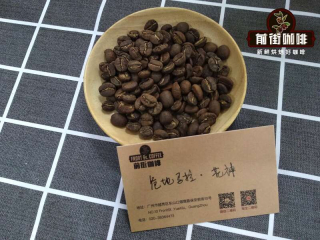
Today, we will introduce the coffee beans of Guatemala. The varieties of coffee beans grown in Guatemala are mainly bourbon, iron pickup, Kaduai and Kaddura, as well as a small amount of yellow bourbon, rose summer, Pacamara, the newly cultivated variety Malakadura and so on. There are eight major producing areas and five volcanic producing areas in Guatemala:
Guatemalan coffee Mexican coffee, Honduras coffee and Salvadoran coffee
Guatemala is bordered by Mexico to the north, Honduras and El Salvador to the south, the Caribbean to the east and the Pacific Ocean to the west, with tropical rain forests, volcanic geology, plateau valleys and ever-changing microclimate. The average elevation of dangerous countries is high, with coffee belts in 1500 Guatemala bounded by Mexico to the north, Honduras and El Salvador to the south, the Caribbean to the east and the Caribbean to the west.